

 Türkçe
 Azərbaycan
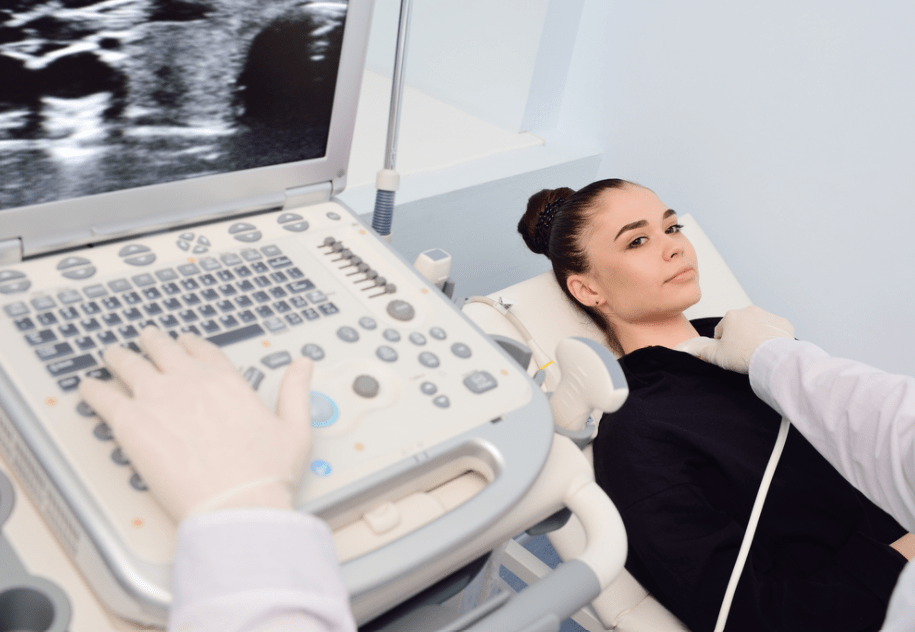
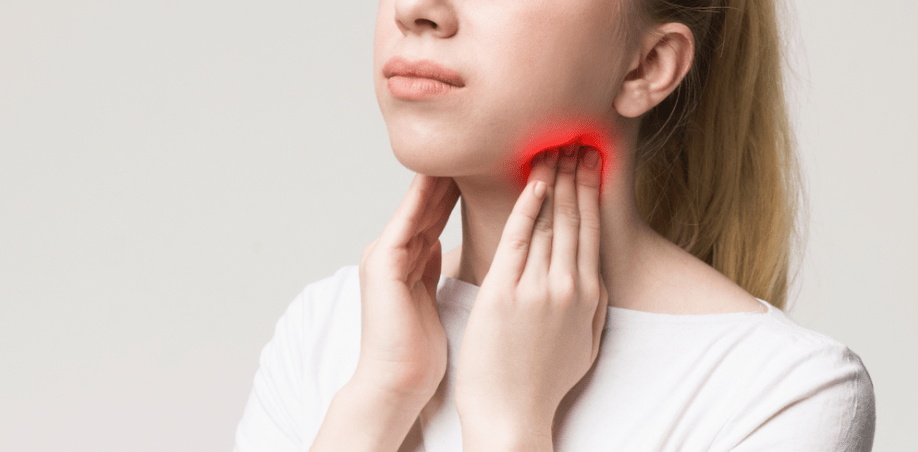
Goiter, in general terms, is the enlargement of the thyroid gland. The fluid-filled or solid tissues within the thyroid gland are referred to as thyroid nodules. Factors such as iodine deficiency, genetics, Hashimoto’s disease, thyroid cysts, and exposure to radioactive substances at a young age pose a risk for the development of thyroid nodules.
Goiter, which arises from the enlargement of the thyroid gland, often presents with complaints that reduce quality of life such as swallowing and breathing difficulties as well as chronic coughing—beyond just the presence of palpable masses in the neck.
Some individuals experience a sensation of tightness in the throat. Goiter is often diagnosed during routine check-ups.
When Is Goiter Operated On?
The complaints related to goiter are taken into consideration for a surgical decision. The physician determines whether the patient is suitable for surgery. Goiter can be treated with various methods.
Following comprehensive examinations and tests, once a definitive diagnosis is made, the treatment technique is identified based on the cause and severity of the disease. Therefore, making an accurate diagnosis prior to goiter surgery is of vital importance.
In Which Cases Is Goiter Surgery Performed?
Goiter surgery is performed to correct certain structural or functional issues caused by goiter. It involves the surgical removal of the thyroid gland. Situations in which surgery is necessary include:
- If cancer is detected as a result of a biopsy,
- If suspicious cells indicating a risk of cancer are identified,
- If enlarged thyroid glands exert pressure on the neck, causing the patient to experience breathing problems,
- If, due to an enlarged thyroid, the patient has difficulty swallowing while speaking or eating,
- If long-term medication use fails to achieve treatment success (e.g., uncontrolled hyperthyroidism after drug and nuclear medicine therapies),
- If the enlarged thyroid gland poses an aesthetic concern for the patient,
- If there are benign nodules (known as toxic adenomas) that cause excess thyroid hormone secretion,
- If there is a risk of cancer despite nodules being small,
- If the swelling in the neck does not pose a medical risk but creates aesthetic concerns, goiter surgery should be considered.
What Are the Risks of Goiter Surgery?
The two most significant risks of goiter surgery are possible hoarseness following the surgery and a drop in blood calcium levels.
How Can Hoarseness Be Prevented After Goiter Surgery?
The nerves that enable the vocal cords to function run very close to the thyroid gland. Damage to this nerve during surgery can cause temporary or permanent hoarseness.
The nerve that goes to the vocal cords must be meticulously preserved and protected from damage during surgery.
This is achieved in surgery by identifying the nerve first, then removing the goiter without affecting the nerve. This method requires experience. Additionally, a nerve monitoring approach that assists in locating and protecting the nerve has begun to be used recently. Thus, the nerve’s function can be constantly monitored throughout the surgery.
Frequently Asked Questions About Goiter Surgery Risks
What Is Nerve Monitoring in Goiter Surgery?
With the help of a special device, the nerve that goes to the vocal cords is stimulated during the surgery to check whether the vocal cords are functioning. This way, any structure that might look like a nerve can be stimulated and identified as not being the nerve, making the surgery safer.
Is Nerve Monitoring Mandatory in Goiter Surgery?
It is not mandatory, but since it makes the surgery safer, I recommend performing goiter surgery with nerve monitoring.
Why Can Blood Calcium Levels Drop After Goiter Surgery?
The parathyroid glands, which regulate blood calcium levels, are adjacent to the thyroid gland. During goiter surgery, if the parathyroid glands are damaged, it can temporarily disrupt their function after surgery, causing a drop in blood calcium levels. However, this situation is generally transient. Preventing damage to the parathyroid glands during surgery will avoid this.
Does Goiter Surgery Have Any Risks?
There are two types of risks that can arise during goiter surgery. The first is damage to the nerves running close to the surgical area that lead to the vocal cords; the second is harm to the parathyroid glands that regulate calcium. However, the likelihood of these risks occurring is quite low, depending on the surgeon’s level of expertise.
Who Is Eligible for Goiter Surgery?
Goiter surgery can be performed on individuals who have nodules—even small ones—with a potential risk of cancer, those whose goiter has enlarged and is pressing on the neck, those who do not respond to drug therapy, and those whose neck swelling presents both aesthetic and health concerns.
Does Postponing Goiter Surgery Lead to Cancer?
If the doctor recommends surgery for a nodule, the patient should heed this advice because nodules may continue growing if not surgically removed, leading to other complications. Moreover, some nodules do carry a cancer risk. If not removed, this risk may increase and progress to cancer.
Will I Lose My Voice After Goiter Surgery?
One of the biggest worries patients have regarding goiter surgery is potential paralysis of the vocal cords or changes in voice quality. While rare, temporary or permanent hoarseness can occur in some cases. Temporary hoarseness usually resolves spontaneously over 9 to 12 months. Thanks to evolving technology, the risk of hoarseness has fallen below 1%. Particularly with the use of a nerve monitoring device during goiter surgery, the nerves leading to the vocal cords are continuously monitored, thereby preventing nerve damage and hoarseness.
How Long Does It Take to Recover After Goiter Surgery?
Patients usually stay in the hospital for about 1 or 2 days following goiter surgery. After being discharged, it may take about a week to 10 days for full recovery and return to everyday life.
How Can Goiter Surgery Risks Be Prevented?
It is possible to perform the surgery without harming the vocal cords by using monitoring devices and special equipment. First, the nerves leading to the vocal cords must be identified during surgery. Additionally, nerve monitoring can be used to help locate and protect the nerve.
What Is the Nerve Monitoring Method?
It is a method used during goiter surgery to protect the patient’s vocal cords from damage. Here, a receiver attached to the tube is placed in the throat. During the operation, the nerve leading to the vocal cords is stimulated with a probe, and it is confirmed on the monitor whether it is indeed the nerve. Thus, the nerves can be safeguarded.
Which Doctor Performs Goiter Surgery?
It is appropriate for goiter (thyroid) surgery to be performed by a general surgeon who has specialized experience in thyroid (goiter) procedures.
What Should Be Considered After Goiter Surgery?
Avoid straining the vocal cords, such as speaking loudly. Avoid extremely hot or cold beverages. If there is numbness in the hands and lips, discharge or leakage from the surgical site, chills, or high fever, a doctor should be consulted.
Is a Drop in Blood Calcium Level Normal During Goiter Surgery?
The parathyroid glands, which regulate calcium levels in the body, are adjacent to the thyroid gland. Hence, they may be damaged during surgery. This can temporarily disrupt their function and cause a drop in blood calcium levels. However, it is generally a temporary condition.
References:
https://www.umms.org/ummc/health-services/surgery/endocrine-surgery/conditions/thyroid-gland/risks





İstanbul'daki Muayenehane Konumu