

 Türkçe
 Azərbaycan
| Types of Surgery | – Lumpectomy: The cancerous tumor and a small margin of healthy tissue around it are removed. – Mastectomy: The removal of all the breast tissue. It can be partial (part of it), unilateral (one breast), or bilateral (both breasts). – Sentinel Lymph Node Biopsy: Removing the first lymph node to check whether the cancer has spread. – Axillary Lymph Node Dissection: If the cancer has spread to the lymph glands, the lymph nodes under the arm are removed. |
| Purpose | To remove the cancerous tissue, prevent the cancer from spreading to other areas, and reduce the risk of recurrence. |
| Application Process | – Preparation is done before surgery with imaging methods such as mammography, MRI, and biopsy. – The patient’s overall health condition is evaluated. – The surgeon determines the appropriate type of surgery based on the size of the tumor, its spread, and lymph node involvement. |
| Type of Anesthesia | General anesthesia is administered, and the patient is fully sedated during the procedure. |
| Duration of Surgery | It can take 1-3 hours depending on the type of surgery. The duration may be extended if additional procedures such as lymph node removal are performed. |
| Recovery Period | It varies between 4-6 weeks. A hospital stay may be required for the first few days. The patient should pay attention to wound care, pain management, and movement restrictions. Massage and arm exercises are important to reduce the risk of lymphedema. |
| Complications | – Infection, bleeding, and wound dehiscence. – Arm lymphedema (the risk of arm swelling increases when lymph nodes are removed). – Pain, loss of sensation, and scarring. In some cases, there may be restricted arm movement. |
| Post-Operative Care | – Daily cleaning of the wound, medications for pain management. – Light arm exercises. – Keeping the arm elevated and avoiding heavy lifting to prevent lymphedema. |
| Psychological Support | Breast loss or changes can be psychologically challenging; support groups and psychological counseling are recommended. |
| Follow-up | Regular check-ups and imaging methods are used for monitoring to detect any recurrence of cancer or the formation of a new tumor. |
What are the symptoms of breast cancer?
The most common symptom of breast cancer is a lump that can be felt in the breast. However, not every lump is indicative of breast cancer. If a lump is suspected in the breast, a doctor’s examination should definitely be consulted.
Among other symptoms of breast cancer are:
· Skin retraction on the breast,
· Retraction of the nipple (inward pulling),
· Discharge from the nipple,
· Loss of symmetry between the two breasts and a palpable lump in the armpit.
A palpable lump in the breast is the most common finding. However, not all lumps that are detected indicate breast cancer. If a lump in the breast is found, a doctor’s examination and necessary tests should definitely be conducted.
- Among other symptoms of breast cancer are;
- Retraction on the breast skin,
- Retraction of the nipple (inward pulling),
- Discharge from the nipple,
- Loss of symmetry between the two breasts and a palpable lump in the armpit
can be counted among them.
What is the incidence and course of breast cancer?
Breast cancer progresses differently from person to person. In some patients, it has a more aggressive and rapid course, while in others it is slower and milder. The main reason for this is the presence of different subtypes of breast cancer.
However, the most important thing is to detect breast cancer early and treat it in the most effective way according to its stage. The incidence of breast cancer, which is the most common cancer in women, increases rapidly after the age of 30.
The incidence of breast cancer, the most common cancer in women, increases rapidly after the age of 30.
In the past, many health problems that resulted in the removal and loss of the breast (mastectomy) can now be treated with current breast-conserving surgery. By applying oncoplastic surgery methods, treatment is not compromised while achieving satisfying aesthetic results.
What should be done to prevent breast cancer?
The exact cause of breast cancer has not been determined. However, genetics is among the most common reasons at this point. In addition, there are risk factors that can lead to breast cancer. Risk factors are reasons that increase a person’s likelihood of developing breast cancer compared to normal.
These include:
- Familial (genetic) reasons,
- Hormonal reasons,
- Previous radiation applied to the chest area are among the most important reasons…
An inherited (genetic) predisposition is seen in about 5-10% of all breast cancers.
An inherited (genetic) predisposition is seen in about 5-10% of all breast cancers. The most common cause of genetic breast cancer is a genetic mutation in the BRCA1 and BRCA2 genes. For individuals with a BRCA mutation, the risk of breast cancer can be as high as 80%.
What should be done to detect breast cancer at an early stage?
A woman who examines herself regularly every month can detect a lump that appears in her breast earlier. Not all lumps (hardnesses) that appear in the breast are breast cancer.
Not all lumps (hardnesses) that appear in the breast are breast cancer.
If there is suspicion of any lump, a general surgery specialist experienced in breast diseases should be consulted immediately for a doctor’s examination. The most important issue in breast cancer is detecting and treating breast cancer before it shows symptoms (before it forms a lump).
In this case, only the cancerous tissue is removed, and there is no need for breast removal. Therefore, mammograms are taken for all women over a certain age to detect breast cancer at an early stage. This is called a screening mammogram.
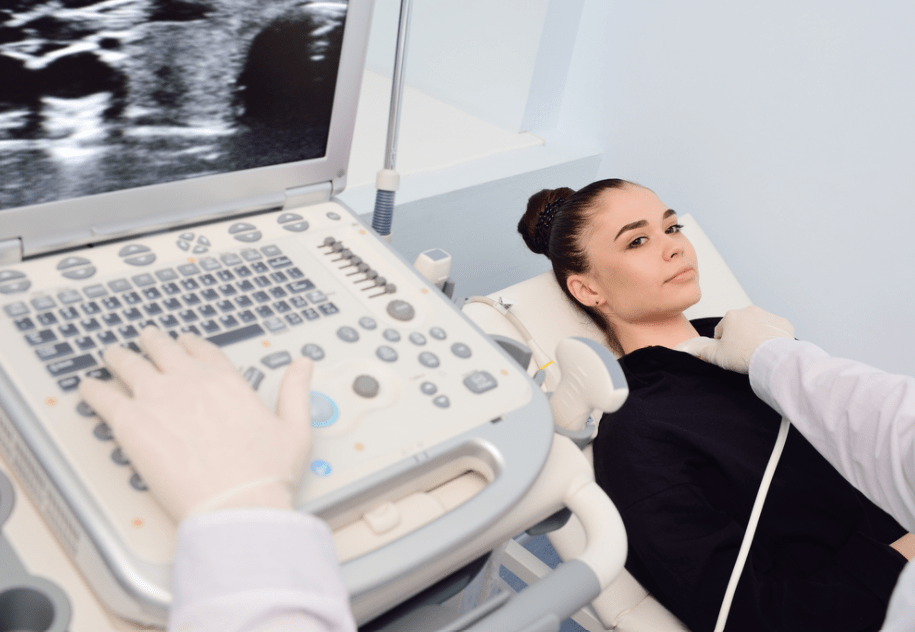
Breast cancer can be detected by mammography 3-4 years before a lump forms. Starting at age 40, a general surgery specialist should perform an examination once a year and a mammogram should be taken. If necessary, breast ultrasound and breast MRI examinations may also be added to the mammogram.
How is breast cancer treated?
According to the explanation provided by our doctor, breast cancer is one of the cancers that respond best to treatment. There are various treatment methods depending on the stage of the cancer.
The earlier breast cancer is detected, the easier and more effective the treatment becomes.
The success rate in breast cancer treatment is quite high. However, treatment methods vary according to the stage of the cancer. The earlier breast cancer is detected, the easier and more effective the treatment becomes.
In early stages, breast-conserving surgery, meaning only the removal of the cancerous tissue, may be sufficient. In more advanced stages, surgery can be performed by preserving the nipple and the breast skin and placing an implant (silicone). Depending on the stage of the cancer and the nature of the operation, radiotherapy and chemotherapy may be added to surgical treatment.
What is oncoplastic surgery?
Oncoplastic surgery is the simultaneous application of oncological principles and plastic techniques during breast cancer surgery. Oncological principles require the safe removal of breast cancer without leaving any cancerous tissue behind in the healthy breast tissue.
Any woman with breast cancer who wishes to preserve her breast is a candidate for oncoplastic surgery.
Any woman with breast cancer who wishes to preserve her breast is a candidate for oncoplastic surgery. However, in this case, sometimes deformities (residual appearances) that significantly impair the cosmetic appearance may occur in the remaining breast.
The fact that this condition can be so severe in up to 40% of cases that additional surgery is required, and that the corrective surgeries performed do not yield the expected level of results, has brought oncoplastic surgery to the forefront.
How is breast cancer surgery performed?
Breast cancer surgeries are divided into two groups: breast-conserving surgeries and mastectomies. A breast-conserving surgery is a procedure in which only the tumor, along with a small amount of normal breast tissue around it, is removed. The aim of this procedure is to leave the breast in place without disturbing its cosmetic appearance and to ensure that the patient is minimally affected both physically and psychologically. With these breast cancer surgery methods, known as partial mastectomy, lumpectomy, and quadrantectomy, women can be freed from this condition. Moreover, in these methods, oncoplastic surgery techniques, which are aesthetic methods, are applied in the repair of the remaining breast tissue, and a good cosmetic appearance is achieved.
In a mastectomy, the breast tissue is completely removed. A mastectomy may be necessary if the breast tumor is located in multiple foci within the breast or if the tumor is very large. Previously, this procedure resulted in the loss of the breast, but now we preserve the nipple and breast skin and only remove the inside of the breast, placing a silicone implant in this area to restore the original breast appearance. Breast loss is now a thing of the past in breast cancer.
What are the risks of breast cancer surgery?
It is possible for the tumors in the breast removed by surgical methods to be benign or malignant. These tumors carry a risk of recurrence in the human body. If a new tumor occurs, a thorough examination, radiological imaging, and biopsy are required to determine the type of tumor. After the surgery, symptoms of infection such as pain, bleeding, swelling, and discharge may also appear. Depending on the size of the removed tumor, deformities may occur due to a mass being removed from the body, and in some cases, it may be necessary to remove the entire breast. However, this is a very rare condition.
How many hours does breast cancer surgery take?
The procedure usually takes between one and three hours, although the duration of the surgery may change due to factors such as the number of tumors and the patient’s health condition. In general, a long process is not required for the surgery, but depending on the method used, other procedures may be performed in sessions or intervals. This may vary depending on the tumor and the patient’s condition. Tumors can be benign or malignant, and because of the high rate of recurrence, it is a process that needs to be carried out carefully.
Post-operative recovery time for breast cancer surgery
The speed of recovery after surgery may vary depending on the patient’s age, overall health condition, and the type of procedure performed. Recovery after this surgery depends on how large the tumor is and which removal method was used. It is very important that the patient properly cares for the surgical wound and takes care of it after the surgery. In this process, the patient generally begins to gradually return to daily life within two weeks. Surgical, treatment, and recovery processes can differ from person to person. The more careful the individual, the faster the recovery.
How should nutrition be after breast cancer surgery?
Nutrition plays a very important role in helping the body recover more quickly and heal faster after surgery. After any surgery, a person may have less appetite than usual due to their physical and mental state. It is necessary to strive to obtain the vitamins, proteins, and minerals your body needs. One should adjust their eating and drinking habits according to the area that was operated on. Regardless of the type of surgery, one should avoid harmful habits such as smoking and alcohol and take good care of themselves.
Post-operative considerations for those who have had breast cancer surgery
After surgery, there are many points that need attention. In order not to contract the disease again, you need to pay attention to nutrition and daily activities. As much as possible, avoid using the side that was operated on for heavy and dangerous daily tasks. Try to stay away from depression and anxiety psychologically. Make sure to perform the daily activities recommended by your doctor. Do not forget that the post-operative period is just as important as the surgery itself.
Which Department and Doctor Should One Consult for Breast Cancer Surgery?
Breast cancer is among the most serious health issues facing women. However, with today’s technology, many women can get rid of this ailment in a short time. Of course, factors such as early diagnosis play a role here, but we should also mention the importance of consulting a good doctor. It is essential to research in order to find a good doctor and to contact the right department and doctor. For these reasons, the question “Which department and doctor should one consult for breast cancer surgery?” is asked by many patients. In this case, it may be a good idea to contact the radiology department and convey your question to them, sharing the details, which can help you find a more lasting solution for choosing the correct department and doctor.
How much do breast cancer surgery prices cost?
The cost of breast cancer surgery varies depending on the condition of the disease and the area where the surgery is performed. The disease may not progress the same way in every individual. Therefore, the most accurate information about this matter is always provided by your doctor. If you want more definite information about the process, you can consult your doctor.
Frequently Asked Questions About Breast Cancer
What is breast cancer?
A disease caused by the excessive proliferation of cells in the breast tissue due to damage to the cells’ DNA is defined as breast cancer.
What are the symptoms of breast cancer?
Although breast cancer symptoms vary depending on the course of the disease and the patient’s medical history, the most common findings are lumps in the breast or armpit. Additionally, nipple discharge, inward collapse of the nipple or change in its shape, peeling or crusting of the nipple skin, breast edema, and swelling are among the most frequently observed symptoms.
What causes breast cancer?
There can be many answers to the question ‘What causes breast cancer?’. Being a woman is the most significant risk factor for this disease. In addition, being over 50 years old, having first-degree relatives diagnosed with cancer, experiencing early menstruation, being overweight, never having given birth or breastfed, and most importantly carrying the breast cancer gene (BRCA) are among the factors that cause breast cancer.
Is every palpable lump cancer?
Not every palpable lump is cancerous. In fact, 8 out of 10 lumps in the breast are benign, meaning they do not fall under the cancer category. If there is a palpable lump, it can only be determined whether it is cancerous through the necessary tests.
How is breast cancer treated?
There are many different treatment protocols in breast cancer treatment. The cancerous cells can be removed surgically, or a mastectomy can be performed to remove the entire breast tissue. After the surgical procedure, radiotherapy using high-energy X-rays, chemotherapy to destroy cancer cells, hormonal therapy, or targeted therapy may be preferred.
Does breast cancer in the breast cause pain?
Pain complaints are very rare in patients with breast cancer. Breast pain may occur in 1 to 2% of patients with breast cancer. Although it is very rare, in many individuals, pain may be the only symptom of breast cancer.
What does a breast with cancer look like?
Cancer cells that develop in the breast tissue also begin to change the skin tissue of the breast. While the nipple collapses inward, red or pink sores, redness, crusting, and scaling may appear on the skin.
What are the signs of breast cancer seen while breastfeeding?
Among the signs of breast cancer seen during the breastfeeding process is mastitis, a breast inflammation. Mastitis, which is a very common breast infection in breastfeeding mothers, can occur because of tumors that cause breast cancer. If a breastfeeding mother feels any pain, swelling, tenderness, or lump in her breast, she should see a doctor as soon as possible.
Does breast cancer prevent pregnancy?
The treatment applied for breast cancer may prevent the patient from having a baby in the future. To avoid this, the ovaries or tissue taken from the ovary must be preserved. If the person is married, the woman’s egg is fertilized with the man’s sperm to obtain an embryo, which can be stored. After the cancer treatment is completed, the couple can have a baby.
What should be done if breast cancer is suspected?
If a person feels lumps during a self-exam, notices asymmetry or skin irregularities in the mirror, and experiences pain or sensitivity in the breast, they should consult a specialist doctor for a correct and complete diagnosis.
References:
https://www.cancer.org/cancer/breast-cancer/about/what-is-breast-cancer.html






İstanbul'daki Muayenehane Konumu