

 Türkçe
 Azərbaycan
Goiter surgery in Turkey has become increasingly popular due to the exceptional skills of the best surgeons and the advanced facilities at the best clinics. Turkey has earned a reputation as the best country for affordable and high-quality healthcare, attracting patients from abroad seeking goiter surgery. The cost and price of surgery in Turkey are significantly lower than in many Western countries, without compromising on safety and quality. Positive reviews highlight the professional care and successful outcomes experienced by patients. If you’re considering goiter surgery abroad, Turkey’s world-class clinics and renowned surgeons make it a top choice for reliable treatment.
| Definition | The surgical removal of all or part of the thyroid gland. It can be applied in goiter, nodules, thyroid cancer, or other thyroid diseases. |
| Indications | – A large goiter causing shortness of breath or difficulty swallowing. – Suspicion or diagnosis of thyroid cancer. – Toxic multinodular goiter or Graves’ disease where hormones cannot be controlled. – Malignancy risk in thyroid nodules. |
| Types of Surgery | – Total Thyroidectomy: Complete removal of the thyroid gland. – Subtotal Thyroidectomy: Partial removal of the thyroid gland. – Lobectomy: Removal of only one lobe (for example, if there is a single nodule). |
| Preparation | – Detailed thyroid function tests before surgery. – Diagnosis confirmation with ultrasound, scintigraphy, or biopsy. – Blood tests for bleeding risk. – Medication therapy may be required to balance hormones. |
| Surgical Process | – Performed under general anesthesia. – A small incision is made in the neck. – The thyroid gland and if necessary, surrounding lymph nodes are removed. |
| Complications | – Hoarseness (injury to the recurrent laryngeal nerve). – Hypocalcemia (impact on the parathyroid glands). – Infection or bleeding. – Thyroid hormone deficiency (hypothyroidism) after surgery. |
| Post-Treatment Process | – Lifelong thyroid hormone replacement therapy (levothyroxine) after total thyroidectomy. – Regular monitoring of hormone levels. – Pain management and wound care. |
| Advantages | – Relieving symptoms caused by a large goiter. – Removal of nodules with a risk of malignancy. – Controlling imbalances in hormone production. |
| Disadvantages | – May require lifelong hormone therapy. – Risks of side effects and complications related to surgery. |
| Alternatives | – Radioactive iodine therapy (especially in toxic goiter). – Medication therapy (antithyroid drugs). |
| Follow-Up and Control | After surgery, regular blood tests and physical examinations are required to monitor thyroid hormone levels. |
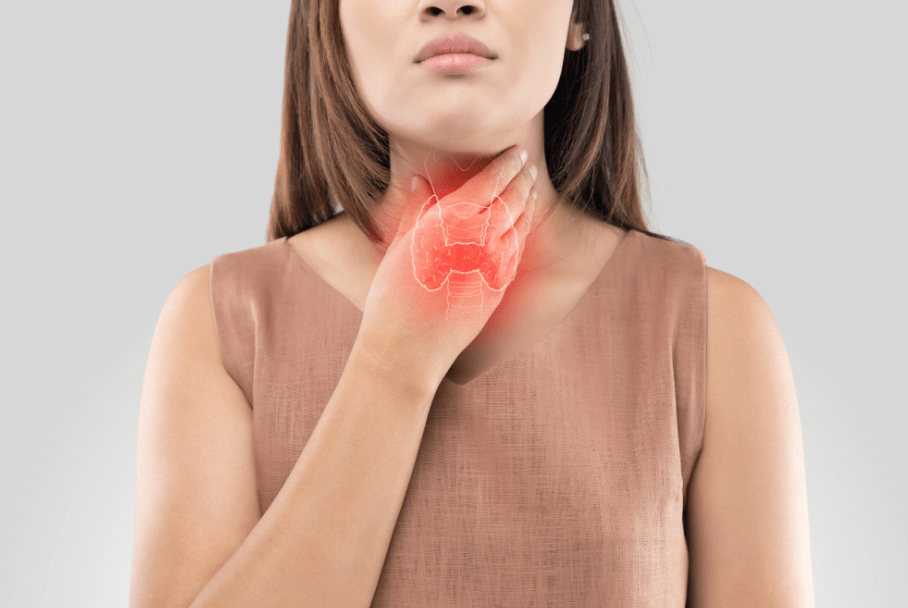
What Is Goiter?
Goiter is a health problem characterized by the enlargement of the thyroid gland and has been recognized in various cultures throughout its thousands of years of history. Historical records show significant progress in understanding both the causes and treatment of goiter.
In ancient Chinese medicine, dating back to 2700 BC, texts document the use of natural materials rich in iodine such as seaweed and sea sponge in the treatment of goiter. Similarly, in India’s Ayurvedic literature, goiter, referred to as “galaganda,” was attempted to be treated with surgical interventions. Around AD 127, the Roman poet Juvenal wrote that neck swellings were common in the Alps region, drawing attention to the prevalence of goiter in that area. During the same period, the physician Galen took a significant step in goiter treatment by suggesting remedies like burnt seaweed.
In the Middle Ages, studies in the Islamic world played an important role in understanding goiter and identifying related conditions such as Graves’ disease. In the 12th century, Persian physician Zayn al-Din al-Jurjani made a significant contribution to medical history by describing the relationship between goiter and exophthalmos (eye protrusion). However, surgical interventions had limited success.
During the Renaissance period, medical knowledge advanced considerably. Paracelsus identified the relationship between goiter and minerals in drinking water, highlighting the impact of environmental factors on this disease. In 1811, Bernard Courtois’s discovery of iodine marked a turning point in goiter treatment. Jean-François Coindet’s identification of iodine deficiency as the main cause of goiter in 1820 and the incorporation of iodine supplements into treatment was groundbreaking in the management of this condition.
In the 19th and 20th centuries, the widespread use of iodized salt significantly reduced goiter prevalence in many regions where it was common. However, in mountainous areas where iodine deficiency persists, the disease remains an important public health problem. The history of goiter holds important lessons in parallel with the development of medical science.
What Are the Causes of Goiter?
Goiter, characterized by the enlargement of the thyroid gland, can arise for various reasons. Iodine deficiency is one of the most common causes of goiter worldwide. The thyroid gland requires iodine to produce thyroid hormones. Insufficient iodine intake leads to a decrease in thyroid hormone production, causing an increase in thyroid-stimulating hormone (TSH). Elevated TSH levels stimulate the thyroid gland to grow. Interestingly, excessive iodine intake can also cause the thyroid gland to enlarge, as it can inhibit the production of thyroid hormones.
Autoimmune diseases play a significant role in the development of goiter. Hashimoto’s thyroiditis occurs when the immune system attacks the thyroid tissue, often leading to hypothyroidism. This condition can cause the gland to enlarge. In Graves’ disease, the immune system stimulates TSH receptors on the thyroid gland, causing hyperthyroidism and a widespread goiter.
Genetic factors are also important in the development of goiter. Individuals with a family history have an increased risk of goiter, and genetic predisposition is particularly more pronounced in women. Environmental factors represent another influence in goiter development. Natural goitrogens found in certain foods and smoking can adversely affect thyroid function. Additionally, deficiencies in micronutrients such as iron and selenium increase the risk.
Finally, thyroid nodules can lead to abnormal growths in the thyroid gland. In multinodular goiter, these nodules can become autonomous in hormone production, resulting in hyperthyroidism.
How Common Is Goiter?
Goiter is a common health issue worldwide that arises from the enlargement of the thyroid gland. Its frequency varies depending on factors such as iodine intake, age, gender, and geographic location. Iodine deficiency is the most significant cause of goiter, affecting one-third of the world’s population. In regions where iodine deficiency is present, goiter prevalence can reach up to 80%. In contrast, in regions with adequate iodine intake, goiter rates are quite low.
Goiter is more common in women than in men, with a female-to-male ratio of about 4:1. This difference is believed to stem from variations in hormone levels. Women over the age of 45 are at higher risk for goiter. As age increases, the prevalence of goiter also rises; studies report a rate of 74% in individuals aged 55-75.
Geographically, endemic goiter is especially prevalent in Africa, Southeast Asia, and the Western Pacific. For example, the goiter rate in children in Ethiopia exceeds 40%. In India, approximately 54 million people live with goiter. These rates are also affected by the consumption of goitrogenic foods in addition to iodine deficiency.
Public health measures such as the iodization of salt have significantly reduced the prevalence of goiter worldwide. However, in some areas, the continued presence of this condition underscores the importance of sustainable and effective prevention strategies.
How Does Goiter Develop?
The formation of goiter results from a complex interaction of various biological processes that cause the thyroid gland to enlarge. The thyroid gland produces thyroxine (T₄) and triiodothyronine (T₃) hormones that regulate metabolism. The synthesis of these hormones is controlled by thyroid-stimulating hormone (TSH) secreted by the pituitary gland. One of the main mechanisms leading to goiter is the reduction in thyroid hormone production, typically due to iodine deficiency. Iodine is an essential element for the synthesis of T₄ and T₃ hormones. Inadequate iodine intake lowers thyroid hormone levels, prompting the pituitary gland to secrete more TSH. Elevated TSH triggers growth and division in thyroid cells, leading to enlargement of the gland.
Thyroid follicles, which are structures filled with a substance called colloid, play a key role in the production of thyroid hormones. Increased TSH levels cause these follicles to produce more thyroglobulin, as the gland attempts to boost hormone production. However, as long as iodine deficiency persists, this process is unable to meet the body’s demand for hormones and causes further enlargement of the gland. An increase in sodium-iodide transporters in the thyroid cell membrane allows the cell to draw more iodine from the circulation to balance hormone production. However, this compensatory mechanism can accelerate gland growth.
In the later stages of goiter, irregular cell proliferation and nodular structures may form. These nodules can gain autonomy in hormone production and function independently of TSH. This condition is known as multinodular goiter and can lead to hyperthyroidism in some areas of the thyroid tissue. These hyperactive nodules in the thyroid can cause thyrotoxicosis, a state of excess thyroid hormones.
What Are the Symptoms of Goiter?
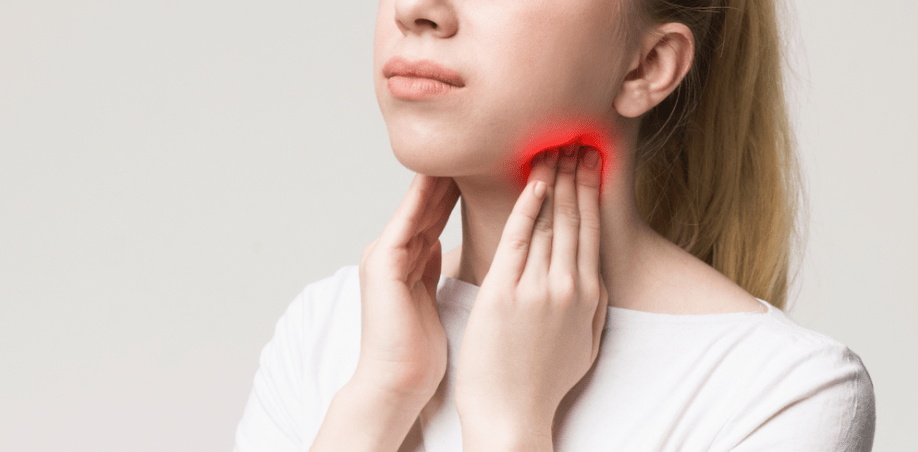
Goiter is a thyroid gland disorder that can present with various symptoms. The most common symptom is a swelling in the lower front part of the neck. The appearance of this swelling can differ depending on the size and structure of the gland; it can be diffuse or nodular. Apart from a physically visible swelling, goiter can lead to mechanical symptoms such as a feeling of tightness in the throat, difficulty swallowing, and shortness of breath, depending on its size and the pressure it exerts on surrounding structures. Coughing and hoarseness may also accompany this picture.
Symptoms of goiter are not only limited to physical effects but are also directly related to the hormone production level of the thyroid gland. In hyperthyroidism, where the thyroid gland produces excess hormones, symptoms such as palpitations, tremors, excessive sweating, heat intolerance, increased appetite, and weight loss may appear. In contrast, in hypothyroidism, which results from insufficient thyroid hormones, symptoms such as fatigue, weight gain, cold intolerance, constipation, depression, hair loss, and dry skin may occur.
In some individuals, even though thyroid hormone levels are normal, goiter can cause significant symptoms due to its physical size. In multinodular goiter, the presence of multiple nodules can lead to hyperthyroidism, particularly if hormone production becomes autonomous. Therefore, goiter symptoms can vary and present differently in each individual.
How Is Goiter Diagnosed?
The diagnosis of goiter involves a series of steps to comprehensively evaluate the structure and functions of the thyroid gland. This process is crucial for making an accurate diagnosis and developing an appropriate treatment plan.
- Clinical Evaluation:
The diagnostic process begins with a detailed medical history. The patient is questioned about neck swelling, difficulty in breathing or swallowing, palpitations, weight changes, and tolerance to heat or cold. During the physical examination, the size, consistency of the thyroid gland, and presence of nodules are assessed. Additionally, any compression or displacement of adjacent structures is carefully examined.
- Laboratory Tests:
Thyroid function tests are used to detect hormonal imbalances underlying goiter. Serum TSH levels are a primary indicator in distinguishing hypothyroidism from hyperthyroidism. Measurements of free T4 and T3 levels provide a detailed evaluation of thyroid function. When autoimmune diseases are suspected, tests for autoantibodies such as anti-TPO and anti-thyroglobulin are performed.
- Imaging Methods:
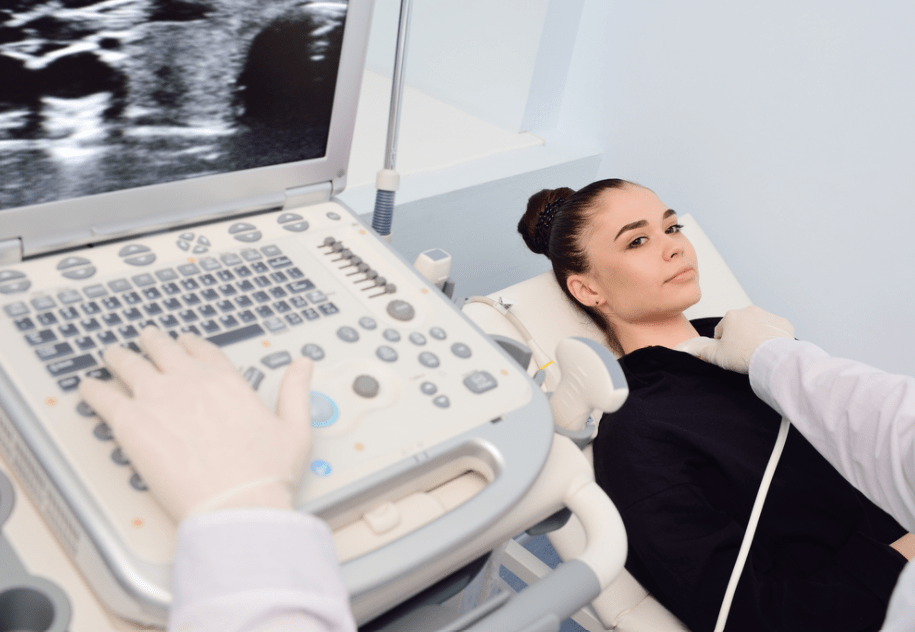
Ultrasonography is the primary imaging method used to evaluate the size of the thyroid tissue, the presence of nodules, and tissue changes. Ultrasound can also help determine whether nodules are benign or malignant. Radioactive iodine or technetium scans assess the functional activity of thyroid tissue to distinguish between “hot” and “cold” nodules. CT and MRI provide detailed anatomical information in cases where the goiter extends into the chest or exerts pressure on adjacent structures.
- Fine Needle Aspiration Biopsy (FNAB):
This procedure aims to collect cell samples from thyroid nodules and is considered the gold standard for evaluating malignancy. The cells obtained are examined cytologically, and treatment decisions are made accordingly.
- Additional Tests:
If there is hoarseness, the condition of the vocal cords is examined with laryngoscopy. In cases of difficulty swallowing, an esophagogram or barium swallow test is performed. These methods help determine whether there is any pressure on the esophagus.
How Is Goiter Treated?
The treatment of goiter varies depending on factors such as the underlying cause of thyroid gland enlargement, its size, the severity of symptoms, and the patient’s overall health condition. Treatment options include observation, medical therapy, minimally invasive procedures, and surgical intervention. The most appropriate approach for each patient is determined through a detailed evaluation.
Observation:
Small, asymptomatic goiters can usually be monitored with regular follow-ups. In cases where there is no risk of malignancy or indication of thyroid dysfunction, nodules are assessed by ultrasonography for size and characteristics. This approach is suitable for patients who do not develop symptoms or have cosmetic concerns.
Medical Treatment:
- Levothyroxine Suppression Therapy: Used to suppress TSH levels, it can be effective particularly in diffuse non-toxic goiter. However, caution is required due to side effects such as osteoporosis and cardiac arrhythmias.
- Iodine Supplementation: In goiter caused by iodine deficiency, using iodized salt or oral supplements can prevent further goiter growth. However, excessive iodine intake can lead to hyperthyroidism in susceptible individuals.
Minimally Invasive Procedures:
- Radioactive Iodine Treatment: An effective method for treating multinodular goiter. It reduces thyroid volume but carries the risk of hypothyroidism.
- Laser and Radiofrequency Ablation: Provides a non-surgical treatment option and is often preferred by patients who do not want surgery.
Surgical Intervention:
- Total Thyroidectomy: Recommended for large goiters, suspected malignancy, or severe symptoms. This method completely eliminates the goiter but requires lifelong thyroid hormone use.
- Subtotal Thyroidectomy: A more limited surgical option, but there is a higher risk of recurrence, and a second operation may be necessary.
What Are the Complications of Goiter?
When left untreated, goiter can lead to both thyroid function disorders and physical complications. These complications may vary depending on the underlying cause of the disease and the size of the goiter.
Hypothyroidism:
This occurs when the thyroid gland is unable to produce enough hormones. Hypothyroidism slows metabolism, causing symptoms such as fatigue, weight gain, cold intolerance, and depression. If left untreated, it can lead to serious health issues over the long term.
Hyperthyroidism:
This develops from excessive thyroid hormone production. Symptoms include palpitations, weight loss, nervousness, sweating, and tremors. Uncontrolled hyperthyroidism can lead to serious complications like cardiac arrhythmias and osteoporosis.
Compression Symptoms:
An enlarged thyroid gland can put pressure on structures in the neck such as the trachea and esophagus. This may cause difficulties in breathing, coughing, and swallowing. In advanced cases, it can significantly reduce the quality of life.
Nodule Formation:
Nodule formation is common in the presence of goiter. While some nodules are benign, others may carry a risk of cancer. Therefore, regular follow-up and biopsy when necessary are important.
Vascular Compression:
Large goiters can compress surrounding blood vessels, potentially disrupting cerebral blood flow and, in rare cases, leading to serious complications such as stroke. Such cases require urgent intervention.
When Can Goiter Treatment Be Done?
The necessity for goiter treatment depends on the patient’s symptoms, the size of the goiter, its extension, and the functional status of the thyroid gland. In deciding on treatment, the impact of goiter on the patient’s quality of life and the risk of potential complications are taken into consideration. The main indications for goiter treatment are described below:
- Suspicion or Confirmation of Cancer:
When thyroid nodules carry a risk of malignancy, treatment becomes a priority. Fine needle aspiration biopsy is the standard method for evaluating nodules. If the biopsy reveals malignancy or suspicion of cancer is high, surgical intervention is necessary to prevent cancer spread.
- Compression Symptoms:
Large goiters can exert pressure on the trachea, esophagus, or nerves. This can cause shortness of breath, difficulty swallowing, or changes in voice. In the presence of such symptoms, surgical treatment is generally inevitable.
- Hyperthyroidism:
Conditions such as Graves’ disease or toxic nodular goiter can lead to excessive thyroid hormone production. When antithyroid medications are ineffective or contraindicated, radioactive iodine therapy or surgery is considered.
- Cosmetic Concerns:
In some patients, goiter can be aesthetically bothersome. In this case, treatment may be applied to address the patient’s psychological and social needs.
- Substernal or Retrosternal Extension:
If the goiter grows into the chest cavity, it can cause serious breathing and swallowing difficulties. In such situations, surgical intervention is necessary to eliminate structural pressure.
- Lack of Response to Medical Treatment:
When goiter does not respond to medical treatment, alternative methods should be evaluated, and surgical or radioactive iodine therapy may be planned.
- Patient Preference:
Patients who do not wish to use long-term medication or seek a definitive solution may be directed toward surgical treatment. The patient’s informed preference plays an important role in treatment planning.
When Can Goiter Treatment Not Be Done?
Whether goiter treatment is appropriate depends on the patient’s overall health condition, existing diseases, and specific clinical factors. Each treatment method has its own contraindications. Below are the most common contraindications related to antithyroid drugs, radioactive iodine (RAI) therapy, and thyroidectomy, which are commonly used in goiter treatment.
Antithyroid Drugs:
Antithyroid drugs are commonly used to control hyperthyroidism. However, they cannot be used in certain situations. Individuals with an allergy to these drugs should not use them, as serious allergic reactions may occur. Additionally, patients with severe liver dysfunction are at increased risk of liver toxicity, especially with propylthiouracil. Agranulocytosis, a rare but serious side effect, requires immediate cessation of the drug and consideration of alternative options. During pregnancy, methimazole is generally avoided in the first trimester; propylthiouracil is used instead but requires careful monitoring.
Radioactive Iodine (RAI) Therapy:
RAI therapy is absolutely contraindicated in pregnancy and breastfeeding. Radioactive iodine can harm the fetal thyroid tissue and lead to congenital disorders. In breastfeeding mothers, there is a risk of transmission through breast milk. RAI therapy can worsen eye problems in patients with active Graves’ ophthalmopathy. In addition, this treatment method is not preferred for individuals suspected of thyroid cancer. In children under 5 years of age, RAI is generally not recommended due to the increased sensitivity of tissues to radiation.
Thyroid Surgery:
Thyroid surgery is contraindicated in patients with serious coagulation disorders (coagulopathy) that cannot be controlled, as it poses a high risk of bleeding. Surgery may be high-risk for individuals with significant cardiopulmonary diseases. Thyroidectomy is usually postponed during pregnancy unless there is an urgent situation, due to the risks to both the mother and the baby. Previous surgeries or radiation therapy in the neck area can lead to anatomical changes that make surgery more complex and risky.
What Is the Recovery Process for Goiter?
The recovery process following goiter surgery can vary from person to person, depending on the patient’s overall health and the extent of the surgery. An inpatient hospital stay is generally required during the first days after surgery. During this period, the medical team monitors potential complications and evaluates the patient for conditions such as bleeding, infection, or hypocalcemia. Pain is usually minimal and can be managed with mild pain relievers like acetaminophen.
Wound care is an important step after surgery. The incision area is usually closed with absorbable sutures, and Steri-Strips or surgical adhesives covering the wound typically fall off on their own within 10 to 14 days. The wound area should be kept dry for the first 24 hours and then cleaned gently with mild soap and water. Protecting the wound from sunlight and using a sunscreen with at least SPF 45 helps minimize scarring.
Patients can usually return to daily activities within 1-2 weeks, but heavy lifting and strenuous physical activities should be avoided during this period. Temporary hoarseness and difficulty swallowing are common due to the proximity to the vocal cords, but these typically resolve within a few weeks.
Patients who undergo total thyroidectomy require thyroid hormone supplementation, and blood tests are performed approximately 6 weeks after surgery to determine the appropriate dosage.
How to Prevent Goiter?
Preventing goiter requires strategic steps at both individual and community levels. The first step is ensuring sufficient iodine intake. Using iodized salt is an effective method to prevent iodine deficiency, which is the most common cause of goiter. Regular consumption of foods rich in iodine, such as seafood, seaweed, dairy products, and eggs, also increases iodine levels in the diet. Fortified foods with iodine can play an essential role, particularly in regions where iodine deficiency is common.
Public health policies are critical in preventing goiter. Fortifying basic foods other than salt with iodine ensures reaching a wide audience. Education and awareness campaigns aim to inform the public about the use of iodized salt and the importance of iodine for health, which is an effective approach for reducing the risk of goiter in both individuals and communities.
In some regions, the consumption of goitrogenic foods (which inhibit thyroid function) is common. Proper processing of these foods minimizes potential adverse effects. Also, controlling environmental factors is important. Monitoring for contaminants in drinking water and soil can reduce the impact of substances that may hinder iodine intake.
Iodine intake is of vital importance, especially for vulnerable groups such as pregnant women and children. Solutions like prenatal vitamins and school-based nutrition programs help meet the needs of these groups and contribute to the prevention of goiter.
Frequently Asked Questions
Which foods should goiter patients avoid?
Foods that reduce the effectiveness of thyroid hormones should be limited. In particular, brussels sprouts, broccoli, radishes, turnips, cabbage, and cauliflower should not be consumed excessively, and if they are eaten, they should be cooked. Also, care should be taken to use iodized salt in meals.
What causes goiter?
The most common cause of goiter is iodine deficiency. If a person does not consume enough iodine, they cannot produce sufficient thyroid hormone. In this situation, the brain constantly stimulates the thyroid gland to work in order to bring the thyroid hormones back to normal levels, causing the gland to enlarge and resulting in goiter.
Is goiter a dangerous disease?
Goiter, especially toxic goiter, is a health problem that directly affects the quality of life and can be seen at any age. Because toxic goiter is directly related to the thyroid gland, which affects metabolism, it must be treated; otherwise, it can be fatal due to secondary complications.
Which department treats goiter?
If a person notices goiter symptoms, they should initially consult the general surgery department of a hospital. After an examination by the physician, the patient may be referred to the endocrinology department for consultation.
What is good for goiter?
There is a direct relationship between goiter and nutrition. Therefore, managing this disease under control for goiter patients involves eating correctly and in a balanced manner. At this point, dill, which supports thyroid function, and onion and garlic, which act like antibiotics, as well as dairy products rich in B vitamins and seafood that are good sources of omega-3, are among the foods that are beneficial for goiter. Additionally, one should consume plenty of fluids and maintain regular physical activity.
Can goiter be treated without surgery?
If biopsies on goiter nodules show they are benign, do not grow, and do not cause any complaints, surgery is not necessary; follow-up is sufficient. However, if the nodule is large and continues to grow, surgery is required.
Can goiter turn into cancer?
The thyroid gland’s function is to regulate the body’s metabolic rate through the hormones it secretes. If the hormone level it produces decreases, the body’s metabolic rate also decreases. When the gland produces too much hormone, the metabolic rate increases. Although many nodules are controlled with medication, rapidly growing cystic or solid nodules carry the risk of becoming cancerous.
What happens if goiter is not treated?
This disease, which has a vital importance, must be treated. If left untreated, it can lead to conditions such as arrhythmia, high blood pressure, enlargement of the heart, and heart failure in patients. This situation, which seriously threatens cardiovascular health, can pose life-threatening risks.
What are the symptoms of toxic goiter?
The most common symptoms of Graves’ disease, known as toxic goiter, are excessive sweating despite normal temperatures, anxiety, restlessness, weight loss, increased bowel movements, irregular menstruation, reduced libido, palpitations, tachycardia, outward protrusion of the eyes, and tremors in the hands.
How do I know if I have goiter?
While some patients with goiter show no symptoms, others may experience difficulty swallowing, coughing, or shortness of breath. Neck swelling is among the most common symptoms. Weight gain, numbness, constipation, fatigue, and insomnia are other symptoms that may be observed.
References:
https://my.clevelandclinic.org/health/diseases/12625-goiter



İstanbul'daki Muayenehane Konumu