

 Türkçe
 Azərbaycan
Mastitis is an inflammation of the breast tissue characterized by swelling and redness in the breast. It is most often seen in breastfeeding women and can develop within the first two months after childbirth. It causes tenderness and pain in the breast. The causes of mastitis include infections that accumulate in the milk ducts and certain illnesses that weaken the immune system. Though rare, it can also appear in women who are not in the breastfeeding period. In these patients, factors such as incorrect breast implants and heavy smoking may lead to mastitis.
The most distinctive mastitis symptoms, which are painful swelling and redness in the breast, can also include fatigue, high fever, swelling of the lymph nodes in the armpit, and a burning sensation while breastfeeding. Mastitis types in the breast, like its symptoms, are examined in two main ways: mastitis related to breastfeeding and mastitis not related to breastfeeding. Mastitis treatment also differs according to these two main types and their causes.
Istanbul is home to many specialist doctors who can easily perform methods such as milk drainage and drainage of the infected area for mastitis treatment. Although mastitis treatment prices vary depending on the procedure performed, they are usually more affordable compared to other treatments.
Identifying the patient’s needs correctly in mastitis treatment has a significant impact on the treatment process. Patient relatives may also wish to follow the process by learning about the disease and treatment methods. In this article, we will discuss mastitis symptoms, stages, and risks; mastitis treatment options; the types of mastitis treatment, its risks, and the post-treatment process, with the aim of informing patient relatives.
| Causes | Bacterial infections usually occur due to blocked milk ducts. It is commonly seen during breastfeeding. |
| Symptoms | Redness, pain, swelling in the breast tissue, increased warmth, sometimes fever, fatigue, and shivering. In breastfeeding mothers, pain, tenderness, and decreased milk flow may be observed. |
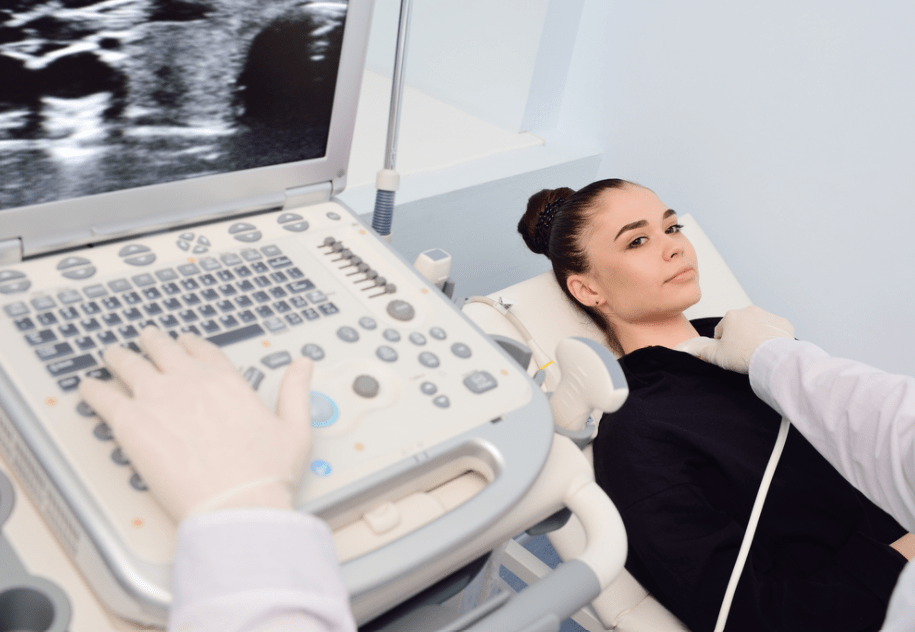
| Diagnostic Methods | A physical examination is performed. If necessary, an ultrasound and blood tests to detect infection may be conducted. |
| Treatment Methods | – Antibiotics: Prescribed to treat infection. – Warm Compress: Helps reduce inflammation. – Pain Relievers: Used for pain management. – In breastfeeding mothers, continuing to breastfeed helps keep the milk ducts open. |
| Complications | If untreated, an abscess may form. In rare cases, the infection can spread to the bloodstream and cause sepsis, requiring urgent treatment. |
| Follow-up | Doctor follow-up is required to ensure the infection does not recur and no complications arise. |
| Lifestyle Recommendations | In breastfeeding mothers, proper breastfeeding techniques, attention to breast hygiene, and avoiding trauma to the breast are recommended. In addition, making lifestyle changes that strengthen the immune system may be beneficial for those who have had a breast infection. |
Breast Infection (Mastitis)
The breast infection commonly known as “mastitis” is frequently observed in women between the ages of 18 and 50. It is divided into two main groups: those related to breastfeeding and those not related to breastfeeding. Breastfeeding-related mastitis is called lactational mastitis, while non-breastfeeding-related cases are called granulomatous mastitis and periductal mastitis.
What Are the Types of Cysts in the Breast?
Cysts can take many different forms and may appear in the breast. The most common type is a benign fluid-filled sac known as a “simple cyst” (non-cancerous). Simple cysts are often found during a routine mammogram and typically do not present any symptoms.
A complex cyst, on the other hand, has a solid component or an atypical shape and differs from a usual cyst type. Other types of breast cysts include simple breast cysts, complicated breast cysts, cysts with protrusion on the breast wall, dense-content breast cysts, and irregular-structured breast cysts. Other forms of cysts that can occur in the breast include sclerosing adenosis cysts, which are benign cysts connected to fibrocystic changes in the breast tissue, and lactational cysts, which form during breastfeeding.
Can a Breast Cyst Turn into Cancer?
A fluid-filled sac that can form in the breast tissue is referred to as a breast cyst. They are typically benign, meaning they are not cancerous. In rare cases, a cyst may develop into cancer.
Early detection is vital for successfully managing breast cancer, so a healthcare professional should examine breast lumps or changes in the breast tissue. A breast examination and imaging tests like a mammogram or ultrasound can be used to diagnose a breast cyst. If a cyst is found, your doctor may recommend additional tests, such as a biopsy, to determine whether the cyst is benign or malignant. Typically, cysts do not need treatment and may disappear on their own. However, if it is bothersome or shows signs of cancer, draining or removing the cyst may be necessary.
What Is Lactational Mastitis?
Lactational mastitis can occur at any time in breastfeeding mothers. However, it most often appears within the first three months after birth. It can cause localized pain, redness, and hardness in the breast. In severe cases, symptoms like fever and fatigue may also be seen.
What Causes Lactational Mastitis?
The most common cause of lactational mastitis is milk accumulation in the breast. Cracks and sores on the nipple are risk factors for mastitis because they cause pain and act as an entry point for bacteria that can lead to infection.
Additionally, breast pads made from inappropriate materials (such as plastic derivatives) can cause nipple irritation, paving the way for mastitis. Fungal infections in the baby’s mouth due to thrush can cause cracks in the nipple, becoming a risk factor for mastitis.
Especially if the mother describes pain that starts at the nipple and feels like it is extending into the chest wall, a fungal infection should be suspected. Certain deformities in the baby, such as a cleft palate, can also cause trauma to the breast, setting the stage for mastitis.
How Is Lactational Mastitis Treated?
The most important point to pay attention to in treating mastitis is not stopping breastfeeding — in fact, the baby should be fed more frequently. Stopping breastfeeding during mastitis increases milk accumulation in the breast and may lead to abscess formation. It is a misconception that the baby may catch an infection from the mother during mastitis. Moreover, breast milk contains a high amount of anti-inflammatory substances, which can be protective for the baby.
Sometimes mothers complain that their baby does not want to nurse from the infected breast during mastitis. This is due to a change in the taste of the milk. In this situation, the breast must be emptied with a breast pump. Because mastitis is caused by bacteria, antibiotic therapy is required, typically lasting 10-14 days.
If there is suspicion of abscess formation in a mastitis patient, an ultrasound should be performed to check for an abscess. If an abscess is present, it should be drained under ultrasound guidance or removed surgically. The drained fluid should be examined microbiologically, which means that a culture and antibiotic susceptibility test should be performed.
What Is Granulomatous Mastitis?
It is not related to breastfeeding. It can mimic breast cancer. Some granulomatous mastitis cases arise from illnesses like tuberculosis, leprosy, fungal infections, and sarcoidosis. These diseases should be investigated in people diagnosed with granulomatous mastitis. If these factors are ruled out, the diagnosis is idiopathic granulomatous mastitis, which accounts for the majority of cases.
What Causes Granulomatous Mastitis?
Granulomatous mastitis typically appears in women aged 30-40. Its cause is not fully understood. The typical clinical finding is a rapidly enlarging painful breast lump. Redness of the breast skin may occur, and sometimes an abscess may form. The nipple may invert. It can be mistaken for breast cancer. Diagnosis is made through pathological examination of material obtained from a core needle biopsy.
How Is Granulomatous Mastitis Treated?
In granulomatous mastitis, depending on the course of the disease, observation, medical treatment, or surgical treatment may be applied. If the lump is confirmed to be non-cancerous and is not causing any complaints, it can be monitored without removal. Growth of the lump is observed. Medical treatment often involves steroids. However, steroid therapy has some side effects, such as glucose intolerance and Cushingoid features. If an abscess develops in granulomatous mastitis, it should be drained.
If the lump is very painful and has grown to a size suitable for removal, it can be surgically removed. If it recurs after surgical treatment, steroid therapy may be applied. Steroid therapy can also be used to shrink the lump so that it becomes suitable for surgery. In cases of extensive involvement, mastectomy may be necessary.
What Is Periductal Mastitis?
It presents with inflammation and abscess formation under the areola. It is generally observed in women of childbearing age who are not breastfeeding. Among its causes, smoking and bacterial infections are significant factors.
What Are the Symptoms of Periductal Mastitis?
A lump near the nipple, pain, and nipple discharge are common symptoms. Mammography and breast ultrasonography are used in diagnosis, depending on the patient’s age. A core needle biopsy is performed under imaging guidance to exclude a cancer diagnosis. Pathological diagnosis is made, and the causative microorganism can also be identified through microbiological testing.
How Is Periductal Mastitis Treated?
If the clinical picture is primarily an infection, antibiotics and anti-inflammatory medications are used. If there is an abscess, it should be drained. If these treatments are unsuccessful or if the condition recurs after initial improvement, surgical methods such as subareolar dissection and excision are applied.
Frequently Asked Questions About Mastitis (Breast Infection)
What is mastitis, and why does it occur?
Mastitis, defined as the inflammation of the breast tissue, is typically seen in breastfeeding women, but it can also develop due to factors that suppress the immune system, such as smoking or diabetes. Mastitis usually affects only one breast and can become infected if the milk duct is blocked or if certain bacteria enter the body through the nipple.
How does mastitis go away?
The first way to resolve mastitis is to empty the milk from the breast. The easiest solution is to continue breastfeeding. Applying a warm compress to the breast before nursing helps reduce any pain and burning sensation during breastfeeding. A warm water bottle or a warm shower can be used for this purpose. If the symptoms persist and the crack on the nipple is getting larger, antibiotic therapy should be started under a doctor’s supervision.
How do I know if I have mastitis?
If you have swelling, tenderness, and pain in the breast; if you experience a burning sensation while breastfeeding; if there are unusual areas of warmth in the breast; if there is a dark-colored and foul-smelling discharge from the nipple; and if chills and shivering are accompanied by palpable hard abscesses in the breast, you may have mastitis.
Is mastitis that does not respond to treatment cancer?
If the applied treatment approaches do not solve the mastitis, the possibility of inflammatory breast cancer may arise. If antibiotics and drainage do not yield results, a tissue biopsy is taken and sent for pathology. The pathology results reveal whether the person has cancer.
What is the solution for persistent mastitis?
Mastitis usually does not resolve on its own. Since it is an infection, medical intervention is necessary. In particular, for mastitis cases that persist despite emptying the breast of milk, medical treatment is required. If the patient does not seek treatment and expects it to resolve spontaneously, an abscess can develop in the breast. In this situation, the only possible procedure is drainage. The interior of the abscess is drained using a syringe and then supported by antibiotic therapy.
What are the symptoms of granulomatous mastitis?
The exact cause of granulomatous mastitis is unknown, but its symptoms are generally localized. The most common symptom is feeling a firm lump in the breast. Other complaints, such as breast pain, inverted nipple, and discharge from the breast, may also occur.
How is lactational mastitis treated?
The first line of treatment for lactational mastitis, which develops due to breastfeeding, is antibiotics. Antibiotic therapy typically lasts about 10-14 days. If an abscess is suspected after this therapy, an ultrasound is performed to check for abscess presence. If there is an abscess, draining it through a drainage procedure or surgery is necessary.
Is it normal to have recurrent mastitis?
There are many reasons behind recurrent mastitis. The mother may be wearing tight and incorrect underwear, the milk may not be adequately drained from the breast, the baby may be breastfed in an improper position, there could be a past breast surgery, the mother may have a fungal infection on the nipple, or she may not be eating sufficiently or consuming enough fluids. In such cases, it is wise to consult a physician.
How is mastitis prevented?
The baby should be nursed more frequently; the best nursing position should be found; it is important to breastfeed from both breasts; if the baby is not nursing sufficiently, the milk should be expressed; proper underwear should be chosen; a balanced diet should be maintained; and adequate fluid intake is recommended.
Is it possible to breastfeed a baby while having mastitis?
It is possible to breastfeed a baby during mastitis, and in fact, emptying the breast by breastfeeding is very important in treating the infection. There is no risk of transmitting the infection to the baby.
References:
https://www.webmd.com/women/guide/breast-infection








İstanbul'daki Muayenehane Konumu